Lymphedema and Chronic Wound Treatment
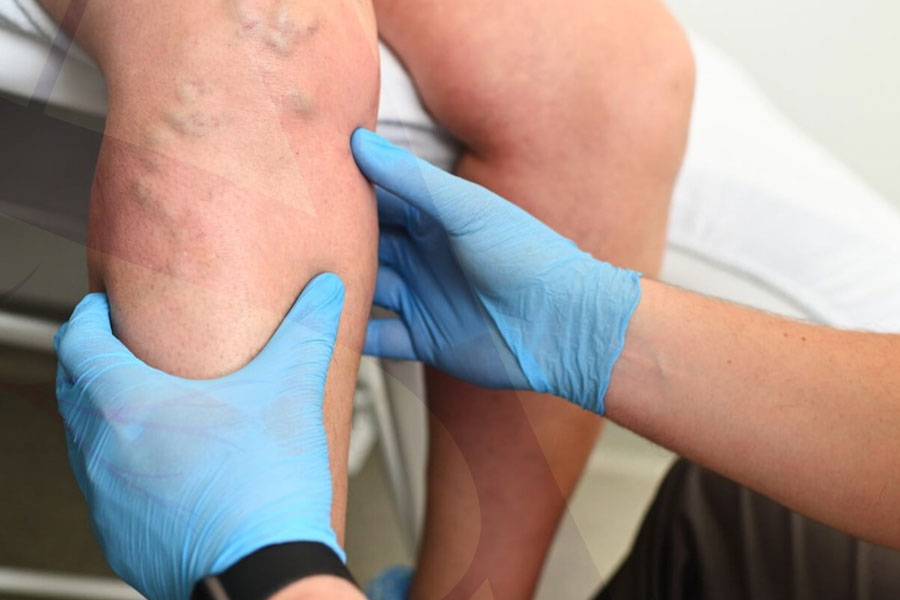
Lymphedema occurs when lymphatic fluid accumulates in the tissues due to impaired drainage, leading to persistent swelling, heaviness, and discomfort.
Chronic wounds and non-healing ulcers present another serious challenge, often resulting from poor circulation or underlying medical conditions.
Minimally invasive catheter-based treatment offers an advanced solution designed to improve lymphatic drainage, reduce swelling, and promote natural tissue healing, especially in cases that do not respond well to conventional therapy.
How the Treatment Works
Using image-guided techniques, a thin catheter is carefully introduced into the affected area to enhance fluid drainage and improve local circulation.
For lymphedema, excess lymphatic fluid is relieved and drainage pathways are supported.
For chronic wounds, targeted therapy improves blood supply and oxygen delivery to damaged tissues, stimulating faster healing. The result is reduced swelling, improved tissue health, and progressive wound recovery.
Clinical Benefits
01
Improved lymphatic drainage and reduction of persistent swelling
02
Enhanced healing of chronic or non-healing wounds
03
Precise, minimally invasive approach
04
Lower risk compared with surgical procedures
05
Faster recovery and minimal downtime
Who Can Benefit?
This treatment may be suitable for patients with:
- Lymphedema affecting the arms, legs, or other body regions
- Persistent swelling due to lymphatic dysfunction
- Chronic ulcers or wounds that fail to heal with standard care
- Circulatory problems contributing to delayed tissue repair
Treatment Process
01
Comprehensive Evaluation
- Imaging studies, such as ultrasound or MRI, help assess fluid accumulation and tissue condition.
02
Patient Preparation
- The procedure is performed under local anesthesia only.
03
Catheter Placement
- Small access points allow precise catheter introduction to the targeted area.
04
Fluid Drainage and Circulatory Enhancement
- echniques are applied to improve lymphatic flow and increase blood supply to the tissues.
05
Post-Procedure Monitoring
- Patients are observed briefly to ensure stability and optimal recovery.
Why Choose Saher Arour?
Dr. Saher Arour is a leading specialist in vascular and minimally invasive interventions, with extensive experience managing complex cases such as lymphedema and chronic wounds.
With over 25 years of clinical expertise and mastery of advanced catheter-based techniques, he provides precise, patient-centered care focused on restoring function, reducing symptoms, and improving quality of life.
Recovery and Expected Outcomes
- Early Improvement: Many patients notice reduced swelling and discomfort after the first session.
- Gradual Healing: Chronic wounds typically show progressive improvement over the following weeks as circulation improves.
- Short Recovery Time: Most patients return home the same day and resume daily activities with minimal restrictions.
Post-Procedure Care
- Rest for a few days and avoid strenuous activity
- Monitor the treated area regularly
- Follow wound-care instructions carefully
- Use prescribed medications or antibiotics if recommended
- Attend follow-up visits to track healing progress
Frequently Asked Questions
1. Is this treatment suitable for everyone?
No. Eligibility depends on a detailed medical evaluation. Some advanced cases may require additional therapies.
2. Is the procedure painful?
It is performed under local anesthesia. Most patients experience only mild discomfort.
3. Will hospitalization be required?
No. It is typically a same-day procedure
4. How long does the procedure take?
Usually between 30 and 60 minutes, depending on the condition’s severity.
5. Can swelling return after treatment?
In most cases, results are long-lasting when drainage is effectively restored. Mild recurrence may occur and can be managed with follow-up care.