Catheter-Based Treatment for Pulmonary Embolism
Pulmonary embolism (PE) is a life-threatening medical emergency that requires immediate treatment.
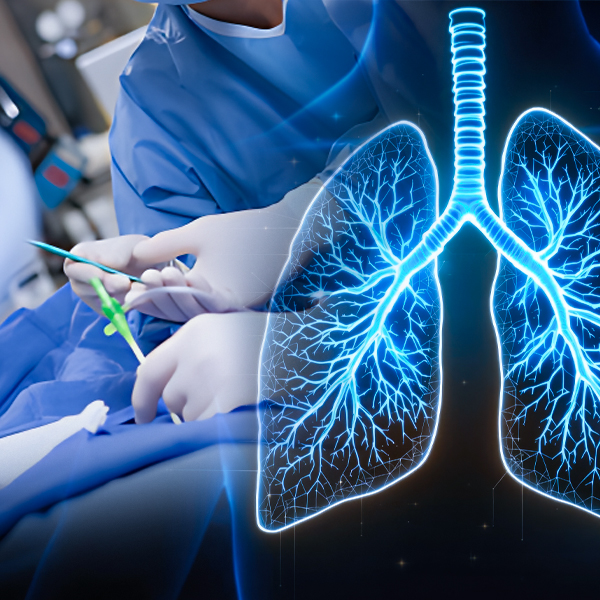
Catheter-based therapy is an advanced, minimally invasive solution designed to rapidly restore blood flow in patients with blocked pulmonary arteries. Using modern interventional catheter techniques, circulation to the lungs can be re-established quickly and safely, improving oxygen levels and stabilizing the patient in critical situations.
Catheter-Based Treatment for Pulmonary Embolism Overview
During the procedure, a specialized catheter is inserted through a major artery and carefully guided to the blocked pulmonary artery.
Through this catheter, the physician mechanically breaks down or gently removes the clot, restoring blood flow to the lungs.
As circulation improves, oxygen levels rise rapidly and normal breathing is often restored almost immediately.
Clinical Benefits
01
Life-saving intervention in emergency situations
02
No need for major open surgery
03
Rapid improvement in oxygenation and breathing
04
Precise, minimally invasive, and highly effective
05
Reduced recovery time compared with surgical options
Who Can Benefit from Catheter-Based Treatment for Pulmonary Embolism?
Catheter-based pulmonary embolism treatment is recommended for patients with:
- Acute or massive pulmonary embolism causing impaired blood flow to the lungs
- Severe oxygen deficiency or respiratory distress
- Cases not responding adequately to anticoagulant (blood thinner) medications
- Patients requiring urgent clot removal
Procedure Steps
01
Rapid Diagnosis
- The clot is confirmed using CT pulmonary angiography or specialized vascular imaging
02
Access and Catheter Insertion
- A catheter is introduced through a major artery under local anesthesia. General anesthesia is usually not required.
03
Clot Fragmentation or Extraction
- Advanced catheter devices are used to break down or aspirate the clot safely.
04
Immediate Hemodynamic Improvement
- Blood flow to the lungs is restored, leading to higher oxygen levels and improved breathing.
05
Post-Procedure Monitoring
- The patient is monitored in the hospital for a short period and continues preventive therapy to reduce the risk of recurrence.
Why Choose DR Saher Arour?
Dr. Saher Arour is among the few specialists in the region with extensive expertise in advanced endovascular and emergency vascular interventions.
With over 25 years of experience, international credentials, and mastery of modern catheter-based techniques, he provides rapid, precise, and life-saving care when every minute counts.
Recovery and Expected Outcomes
- Fast Results: Most patients experience immediate improvement in breathing and oxygen levels during or shortly after the procedure.
- Short Recovery: Extended recovery is rarely needed. After brief monitoring, patients can gradually return to normal activities based on medical advice.
Post-Procedure Instructions
- Short hospital observation may be required
- Regular follow-up is essential to identify underlying causes
- Continue prescribed anticoagulant medications to prevent recurrence
- Follow your physician’s guidance for activity and recovery
Frequently Asked Questions
1. Is this catheter-based treatment for pulmonary embolism available in all hospitals?
No. It requires advanced equipment and highly specialized expertise and is typically available in specialized vascular or interventional centers.
2. Does this replace blood thinner medications?
In some emergency cases, yes. When clots are large or unresponsive to medication, catheter therapy provides faster and more effective relief.
3. How long does the catheter-based treatment for pulmonary embolism take?
Usually between 30 and 60 minutes, depending on the clot’s size and location.
4. Will intensive care be required afterward?
Stable patients usually do not require ICU care. Severe cases may need short-term monitoring.
5. Can pulmonary embolism recur?
Yes. Ongoing medical follow-up and anticoagulant therapy are important to prevent recurrence.
6. Will improvement be immediate?
In most cases, oxygen levels normalize quickly, and patients notice significant breathing improvement soon after treatment.