Catheter-Based Stroke Treatment
A stroke is a medical emergency that can become life-threatening within minutes. Without rapid treatment, blocked blood flow may lead to permanent brain damage.
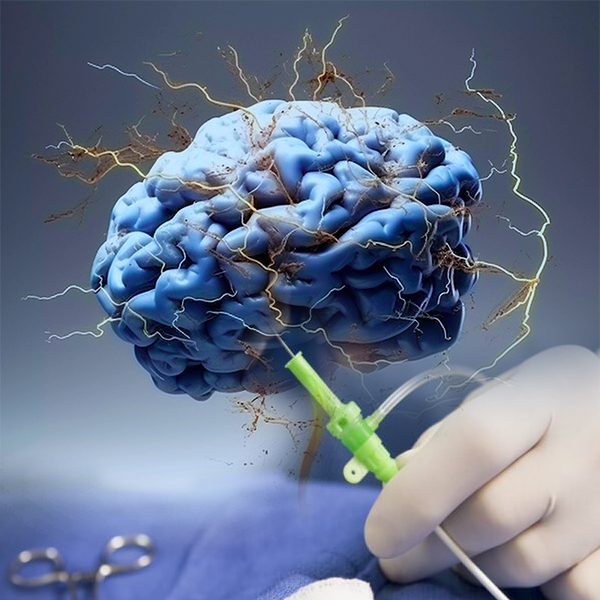
Catheter-based stroke treatment, known as mechanical thrombectomy, is an advanced, minimally invasive procedure designed to quickly remove the clot and restore blood circulation to the brain.
Rapid intervention can save brain tissue, preserve neurological function, and significantly improve survival and recovery outcomes.
How the Catheter-Based Stroke Treatment Works
During the procedure, a thin catheter is inserted through a major artery (typically in the groin) and carefully navigated to the blocked brain artery.
Using specialized devices, the clot is either gently retrieved or fragmented and removed. Once blood flow is restored, oxygen immediately returns to the affected brain tissue.
This rapid reperfusion helps minimize permanent damage and reduces the risk of complications such as paralysis, speech loss, or memory impairment.
Clinical Benefits
01
Life-saving emergency intervention
02
Rapid restoration of blood flow to the brain
03
Reduced risk of permanent neurological damage
04
Minimally invasive with no open brain surgery
05
Faster recovery compared with surgical alternatives
Who Can Benefit from Catheter-Based Stroke Treatment?
This treatment is recommended for patients with:
- Acute ischemic stroke caused by arterial blockage
- Sudden symptoms such as weakness, paralysis, or speech difficulty
- Large vessel occlusions
- Cases not responding adequately to clot-dissolving medications
Step-by-Step Treatment Process
01
Rapid Diagnosis
- CT scan or specialized brain angiography confirms the presence and location of the clot.
02
Catheter Access
- A catheter is introduced through a major artery under local anesthesia.
03
Clot Removal
- Advanced thrombectomy devices are used to extract or break down the clot safely.
04
Restoration of Circulation
- Blood flow returns immediately to the brain, improving oxygen delivery.
05
Post-Procedure Monitoring
- The patient is observed in the hospital to ensure neurological stability and prevent complications.
Why Choose Saher Arour for
Catheter-Based Stroke Treatment?
Dr. Saher Arour has extensive expertise in advanced endovascular and emergency vascular interventions, including catheter-based stroke treatment.
With over 25 years of clinical experience, modern interventional techniques, and a rapid-response approach, he delivers precise, time-critical care when outcomes depend on speed and accuracy.
In stroke management, experience is measured in minutes, and minutes save brain function.
Recovery and Expected Outcomes
- Immediate Improvement: Many patients experience noticeable neurological improvement soon after blood flow is restored.
- Short Hospital Stay: Most stable patients do not require prolonged intensive care and can transition to regular monitoring and rehabilitation quickly.
Post-Procedure Care
- Short hospital observation is required
- Blood thinners or antiplatelet medications may be prescribed to prevent recurrence
- Regular neurological follow-up is essential
- Rehabilitation therapy may be recommended to restore strength and function
Frequently Asked Questions
1. Is catheter-based stroke treatment available in all hospitals?
No. It requires specialized equipment and highly trained interventional specialists and is typically performed in advanced stroke centers.
2. Does the catheter-based stroke treatment blood-thinning medications?
In emergency cases, yes. For large clots, thrombectomy provides faster and more effective results than medication alone.
3. How long does the procedure take?
Usually between 30 and 60 minutes, depending on clot size and location.
4. Will ICU care be required?
Stable patients often do not require prolonged ICU stay, though severe cases may need short-term intensive monitoring.
5. Can another stroke occur?
Yes. Preventive medications and medical follow-up are essential to reduce recurrence risk.
6. Will improvement be immediate after a catheter-based stroke treatment?
In many cases, neurological function improves quickly once circulation is restored, sometimes during the procedure itself.