Varicose veins are a health issue affecting many people worldwide. They appear as swollen blue veins under the skin due to weakened vein valves, leading to blood pooling in the veins. Varicose veins can be more than just a cosmetic problem; the impact of varicose veins on health can be significant if not treated properly.
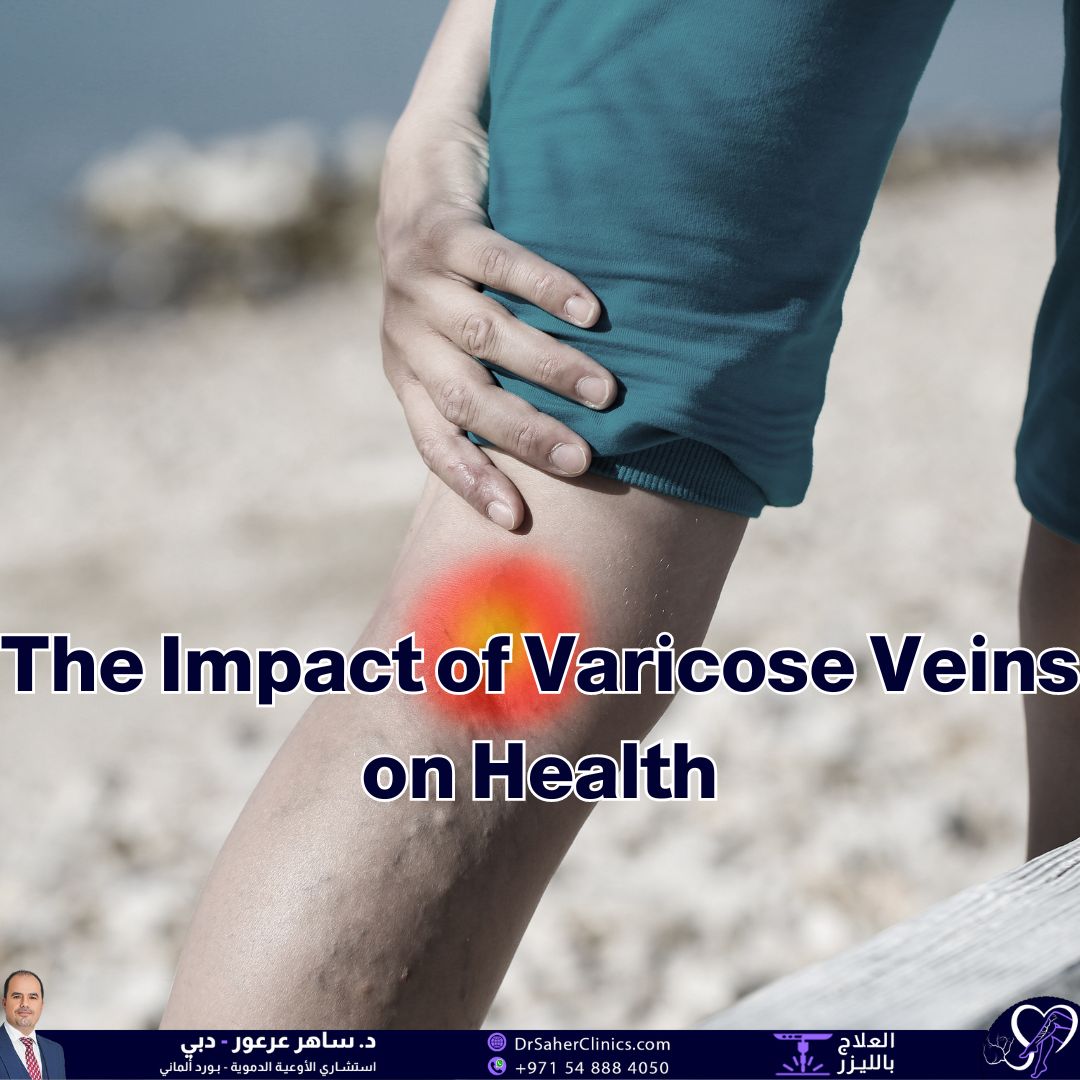
The Impact of Varicose Veins on Health
Circulatory System
Varicose veins lead to disruption in the circulatory system. Blood pools in the surface veins instead of returning to the heart naturally. This pooling causes those affected to feel heaviness in the legs and pain when standing for long periods. Additionally, they may notice swelling in the ankles and feet, especially at the end of the day.
Skin
Varicose veins significantly affect the skin surrounding the affected area. The skin may become dry and irritated, and severe cases can develop skin ulcers. The skin color may also change to brown or blue, increasing discomfort and affecting self-confidence.
Risk of Blood Clots
Varicose veins increase the risk of superficial blood clots, a condition known as superficial thrombophlebitis. These clots can cause pain, redness, and swelling in the affected area. In some cases, superficial clots can develop into deeper clots, posing a greater health risk.
The Impact of Varicose Veins on Daily Life
The pain and swelling caused by varicose veins significantly affect daily life. Those affected find it difficult to perform daily activities such as walking or standing for long periods. Varicose veins can also impact the ability to exercise, increasing the risk of other health issues such as obesity and heart disease. Therefore, the impact of varicose veins on health extends to the overall quality of life.
The Prevention and The Treatment Of The Impact of Varicose Veins on Health
Fortunately, varicose veins can be effectively prevented and treated. Doctors recommend a healthy lifestyle, including regular exercise and maintaining a healthy weight. Wearing compression stockings helps improve circulation and reduce varicose vein symptoms. In severe cases, medical treatment may be necessary. Medical treatments include traditional surgery, laser therapy, and sclerotherapy, all aiming to remove or shrink the affected veins and improve circulation.
Among the best varicose veins and vascular clinics are those run by Dr. Saher Arour. Dr. Saher Arour has over 25 years of experience, treating various types of varicose veins such as leg varicose veins, varicocele, and facial varicose veins. Moreover, the techniques used in Dr. Saher’s clinics are among the latest in varicose vein treatment. For more information about Dr. Saher’s clinics, you can visit the official clinic website or the clinic’s YouTube channel.
Conclusion
In conclusion, the impact of varicose veins on health is neither simple nor superficial. By adopting a healthy lifestyle and appropriate treatment, the impact of varicose veins on daily life can be reduced, and overall health can be improved. It is important to consult a doctor when varicose vein symptoms appear to receive appropriate guidance and effective treatment.