Many people search for natural medicine for blood clots in the legs alternatives. And while nature may offer some supportive options, knowing what they can and cannot do could save your life [2].
Deep vein thrombosis (DVT) is a serious medical condition that requires proper diagnosis and, in most cases, prescribed anticoagulant therapy [3]. Some natural compounds have limited evidence for supporting vascular or venous health as a complement to medical treatment, not a replacement [2].
This article provides an expert review of the most common natural approaches for leg clots, the scientific boundaries of their use, and the lifestyle habits that fundamentally support venous resilience. Our objective is to guide you through these options with clinical precision and medical responsibility.
Table of Contents
Is there Natural Medicine for Blood Clots in the Legs?
In fact, natural remedies cannot replace anticoagulant medication for an active, diagnosed blood clot in the leg [1]. Deep vein thrombosis (DVT) carries a real risk of pulmonary embolism .. a potentially fatal complication [4]. To date, no herb or supplement in this outline has been proven in robust clinical trials to safely resolve an established deep vein clot on its own [5].
Several natural substances have demonstrated antiplatelet, anti-inflammatory, and fibrinolytic properties in laboratory or limited human research [2]. Used alongside prescribed treatment and with physician oversight, they may support overall venous health, but they have not been proven to speed clot resolution or reduce recurrence after DVT [2]. Consequently, natural options should be viewed as supportive rather than curative.
Complementary Natural Options for Vascular and Venous Support
The remedies discussed below are framed as complementary substances discussed for vascular or venous support [2]. They are not established best treatments for active DVT. Understanding their specific roles allows for informed health decisions without compromising safety. Always consult your vascular specialist before introducing new supplements into your regimen.
Turmeric (Curcumin)
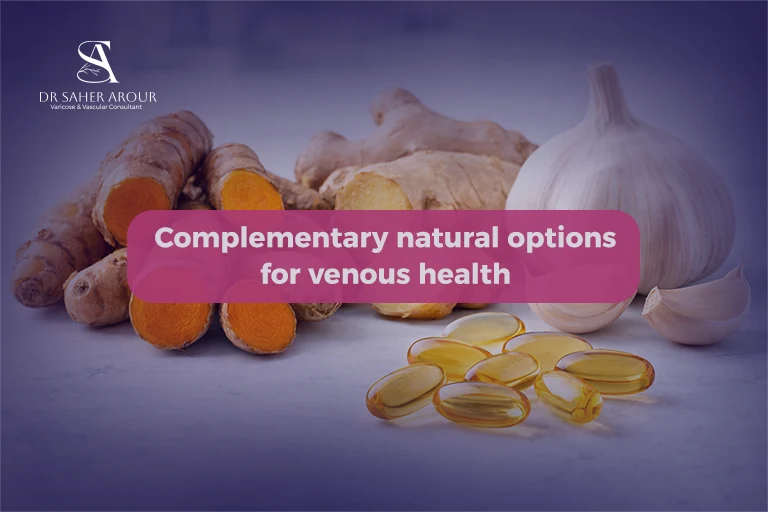
Curcumin, the active component of turmeric, is frequently studied for its anti-inflammatory effects. Research suggests turmeric may have anti-inflammatory or antiplatelet effects, but it has not been proven to dissolve an established DVT [3]. While it may support endothelial health, high-dose curcumin should be approached with caution by anyone on anticoagulants due to potential interactions.
Ginger
Ginger is a common dietary root often linked to improved circulation. While it contains compounds that may affect blood flow, there is no solid outcome data showing it can safely treat an established clot [5]. It is best used as a culinary addition to a heart-healthy diet rather than a primary medical intervention for venous thrombosis.
Nattokinase
Nattokinase is an enzyme from fermented soybeans that has shown fibrinolytic potential in lab settings. However, its clinical application is limited by safety concerns. Nattokinase may affect clotting and may increase bleeding risk when combined with anticoagulants or antiplatelet medicines [8]. Medical supervision is essential for those considering this enzyme.
Garlic
Garlic is widely recognized for supporting cardiovascular health. It has shown properties that might affect platelet aggregation in preclinical settings, yet current management of blood clots relies heavily on prescribed therapies [2]. Its role is primarily preventive, assisting in maintaining a healthy vascular environment over time.
Omega-3 Fatty Acids (Fish Oil)
Omega-3s are essential fatty acids that support vessel wall integrity and reduce systemic inflammation. Nevertheless, relying on them as a fast natural substitute for proper DVT treatment is unsafe [3]. They provide long-term vascular support but cannot resolve an acute thrombus.
Horse Chestnut Seed Extract (HCSE)
Horse chestnut extract is specifically utilized for symptoms related to chronic venous insufficiency. However, horse chestnut seed extract (HCSE) is better limited to venous symptoms, not an active DVT [6]. It may help manage post-clot swelling and leg heaviness under professional guidance.
Natural Remedies at a Glance: Comparison Table
| Remedy | Observed Properties | Clinical Limits | Safety Note |
| Turmeric | Anti-inflammatory | No clot-dissolving proof | Anticoagulant interaction |
| Nattokinase | Fibrinolytic support | Unregulated dosage | Significant bleeding risk |
| Horse Chestnut | Venous tone support | Chronic symptoms only | Not for emergency DVT |
Lifestyle Changes That Support Natural Blood Clot Prevention
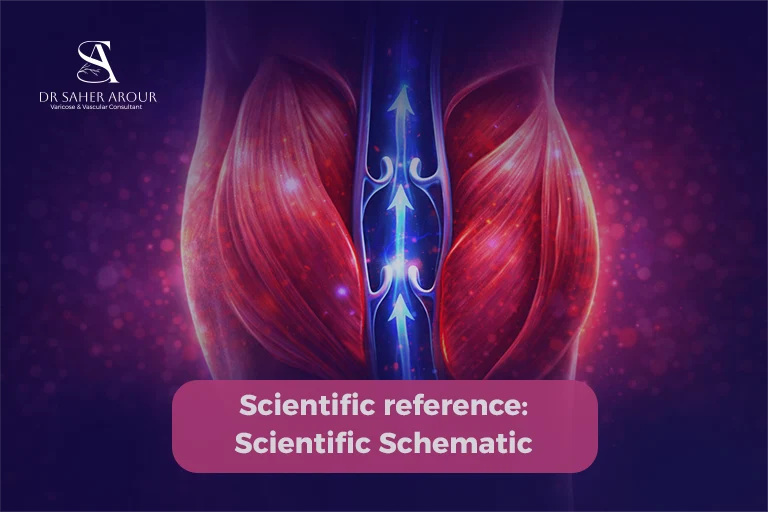
The most powerful “natural medicine” for your veins is consistent movement. The venous system in the legs works against gravity, relying on physical principles to return blood to the heart. Maintaining these habits is essential for preventing blood stasis, which is a major risk factor for thrombosis.
Movement and Exercise: The Calf Pump
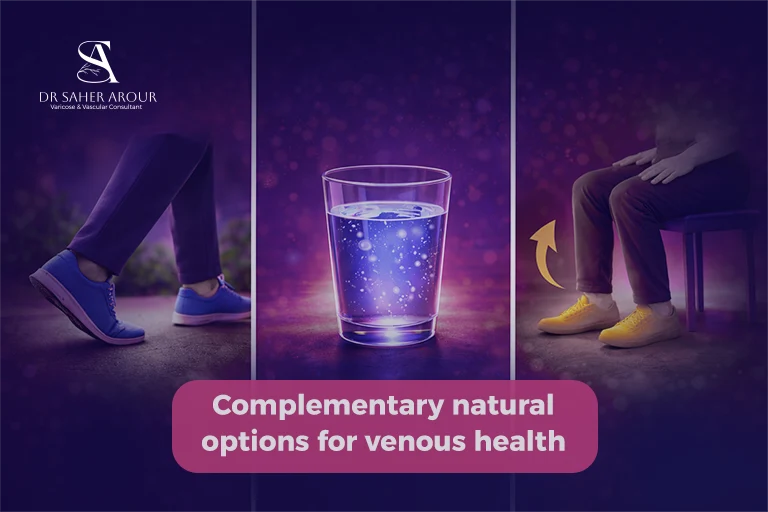
Walk regularly every day; even light walking helps support venous return [3]. This simple action engages the calf muscles, which squeeze the deep veins to push blood upward. Furthermore, avoid sitting for prolonged periods .. stand, stretch, or take short walks during long flights or desk work [3]. If mobility is restricted, ankle pumping exercises can activate the calf pump even while seated [3].
Hydration
Maintain adequate hydration for general health, but hydration alone has not been proven to prevent or treat DVT [4]. Avoid dehydration and excess alcohol as a general safety measure, as these can affect blood flow efficiency [4].
Compression Stockings
Wear compression stockings during long flights if recommended for your risk level [3]. These garments provide external pressure that assists the veins in moving blood more effectively, particularly during periods of enforced inactivity.
When Natural Medicine Is Not Enough: Warning Signs
Sudden swelling, redness, warmth, or pain in one leg are warning signs that require medical evaluation [3]. If a clot travels to the lungs, it becomes life-threatening. Sudden shortness of breath, chest pain, or a rapid or irregular heartbeat are warning signs of possible PE that need urgent attention [3].
A markedly swollen, severely painful, or blue-discolored leg can signal a limb-threatening complication of extensive DVT and needs urgent evaluation [7]. Symptoms that do not improve or worsen despite natural treatments and lifestyle changes require prompt medical assessment [3].
Medical Interventions: Catheter-Directed Thrombolysis
Catheter-directed thrombolysis is a selected medical intervention for certain extensive DVT cases and does not belong under natural medicine [1]. In patients with proximal DVT, standard anticoagulation therapy alone is usually recommended over thrombolytic therapy [1]. Decisions regarding these procedures are always based on precise clinical evaluations by a specialist. Learn about prescribed anticoagulant medications for DVT treatment.
Frequently Asked Questions (FAQ)
Can turmeric dissolve a blood clot in the leg?
No. Turmeric may have anti-inflammatory or antiplatelet effects, but it has not been proven to dissolve an established DVT [3].
Is nattokinase safe to take with blood thinners?
Not without medical supervision. Nattokinase may affect clotting and may increase bleeding risk when combined with anticoagulants [8].
What is the fastest natural way to improve blood clot symptoms?
There is no fast natural substitute for proper DVT treatment. If a clot is suspected, prompt medical evaluation is more important than supplements [3].
Are natural blood thinners safe during pregnancy?
Not routinely. Data are limited on the safety and effectiveness of herbal supplements during pregnancy [9].
References
- [1] American Society of Hematology: ASH VTE Guidelines
- [2] Food & Function (RSC): Dietary compounds and thrombogenesis
- [3] CDC: Deep Vein Thrombosis & Pulmonary Embolism
- [4] CDC Yellow Book: DVT Risks
- [5] Scientific Reports (Nature): Supplement study outcomes
- [6] NCCIH: Horse Chestnut Extract
- [7] MedlinePlus: DVT Complications
- [8] MSKCC: Nattokinase Data
- [9] AAFP: Supplements in Pregnancy