
When you are dealing with the pain, sudden itching, or bleeding of swollen veins, everyday routines can quickly become highly stressful. Adopting a structured, patient-centered lifestyle plan is your strongest first step toward real, long-term relief. Simple, targeted adjustments to your daily meals can completely change how your body feels, easing the anxiety of bowel movements.
- Increasing soluble fiber softens your stool naturally so it passes without heavy friction.
- Drinking consistent water throughout the day keeps the entire digestive tract moving smoothly.
- Eliminating low-fiber processed carbohydrates prevents dense, dry stools that irritate vessel walls.
- Building stable daily eating routines drops the frequency and intensity of acute flare-ups.
Many online health guides offer confusing or highly exaggerated advice that leaves people feeling overwhelmed. My goal is to break down the actual clinical facts and clinical trials clearly, giving you the practical tools you need to comfortably take control of your digestive health.
Table of Contents
What is the best diet for hemorrhoids: what to eat and what to avoid?
The best diet for hemorrhoids emphasizes soluble fiber and proper hydration to soften your stool, while strictly avoiding low-fiber processed foods that force you to strain.
Many patients come to me hoping for an immediate surgical fix to eliminate their physical pain. But before we even discuss medical procedures or surgery, we have to look at your daily digestion. A supportive eating plan builds the physical environment your body actually requires to heal itself naturally. When it comes to fiber, understanding how it works in your gut changes everything:
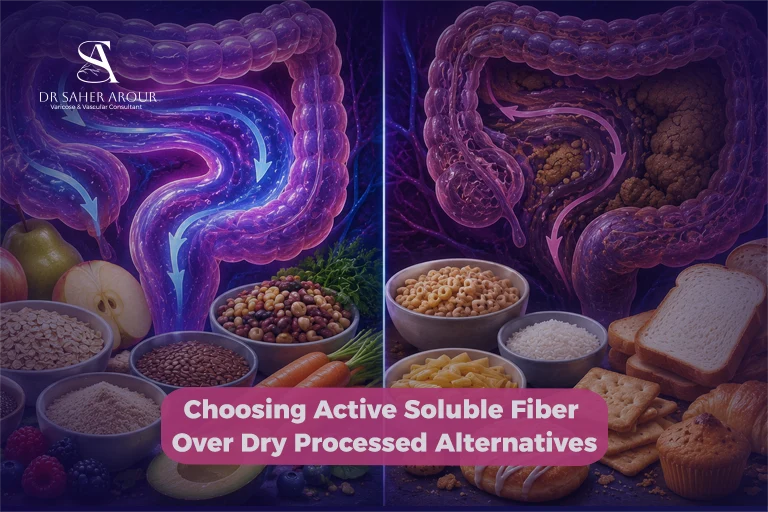
- Soluble Fiber (The Soother): This type dissolves easily in water to form a smooth, soothing gel. It binds with moisture to keep your bowel movements soft, slippery, and effortless. (Examples: Oats, beans, lentils, apples, and citrus fruits).
- Insoluble Fiber (The Sweeper): This does not dissolve in water. Instead, it acts as natural roughage to add bulk and firmly push waste through your intestines. (Examples: Whole wheat flour, wheat bran, nuts, and broccoli).
While both are important for a healthy gut, soluble fiber is the exact tool you need to drop the constant physical friction inside the anal canal. This is not about a temporary diet phase: it is a daily routine that permanently protects your vascular system from unnecessary mechanical pressure.
Why Constipation and Straining Are the Primary Dietary Enemy
Clinical data shows that while constipation is not the sole cause, hard stools and chronic straining are the major contributing factors to flare-ups. Think of the blood vessels in the anal canal like delicate cushions. When you force a hard bowel movement, you create intense backward pressure against these sensitive venous networks.
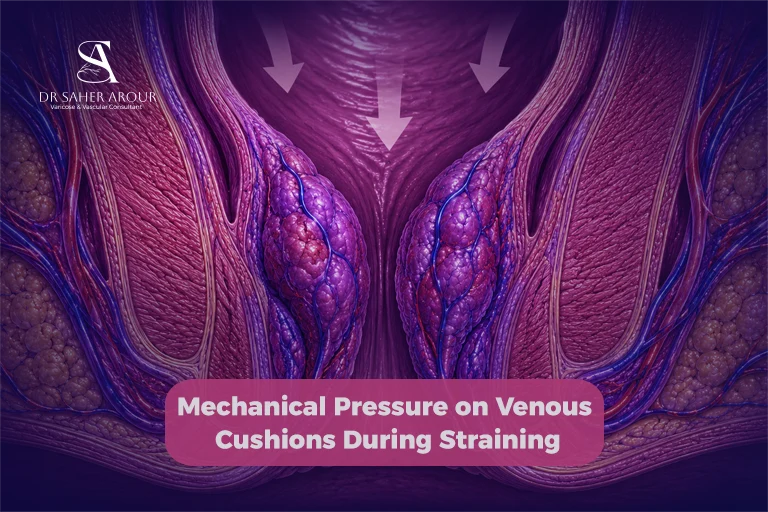
Over time, this daily mechanical stress stretches the vessel walls, causing them to engorge, descend, and bleed. My primary medical goal for your dietary adjustments is simple: eliminate this physical friction entirely. Keeping your bowel movements predictable and effortless stops the structural stretching that triggers your symptoms.
Foods That Help: The Evidence-Based List
Transitioning to a supportive diet means relying on clear, verified clinical research rather than popular internet myths. Let us look at the specific food choices that provide real, measurable benefits for your vascular health.
Soluble Fibre: The Most Important Category
When treating symptomatic hemorrhoids, high-quality medical evidence consistently shows that dietary fiber is your most effective tool. Trials demonstrate a clear, beneficial effect on overall symptoms and bleeding [1]. Specifically, a major meta-analysis proved that the risk of experiencing persistent or non-improving symptoms decreased by 47% in patients who added fiber to their diet [1]. That same data revealed that proper fiber intake drops the risk of hemorrhoidal bleeding by 50% [1].
Instead of giving you abstract clinical theories, here is exactly how your vascular system responds to fiber based on measured data from key clinical trials:
| Clinical Parameter | Measured Result and Evidence Level |
| Persistent Symptoms (Meta-Analysis) | Risk decreased by 47% (RR 0.53) with consistent long-term benefit [1]. |
| Persistent Symptoms (Cochrane Data) | Risk of non-improvement decreased by 53% (RR 0.47) in fiber groups [2]. |
| Bleeding Risk Reduction | A 50% reduction in active bleeding favoring fiber laxatives (RR 0.50) [3]. |
| Average Bleeding Episodes (RCT) | Dropped from 5.5 +/- 2.9 to 1.1 +/- 1.4 episodes (p < 0.001) [4]. |
| Congested Vascular Cushions | Diminished significantly from 2.6 +/- 1 to 1.6 +/- 2.2 (p < 0.01) [4]. |
| Contact Bleeding Resolution | Resolved completely (from 5 out of 22 patients down to absolute zero) [4]. |
These improvements do not happen overnight, but they are incredibly reliable. Studies show consistent results appear around 6 weeks and are safely maintained up to 3 months with regular intake [1]. While psyllium husk is an excellent, highly studied supplement for stool consistency, trials show it offers equivalence to other fiber types rather than superiority. Reaching your total daily fiber goal through natural food sources is what truly makes the difference.
A quick piece of practical advice: do not rush this transition. If you jump into a high-fiber diet suddenly, your gut will likely react with uncomfortable gas and bloating. Start by adding small amounts of fiber-rich foods, like a serving of oats, ground flaxseeds, or a handful of berries, to one meal a day. Give your digestive system a few weeks to adapt comfortably while the irritated tissues begin to heal.
Hydration: How Much Water Actually Matters
Even though clinical trials do not isolate hydration on its own, drinking enough fluid is an absolutely essential habit. Fiber acts exactly like a dry sponge in your digestive tract: it needs water to expand and form a soft, smooth gel. If you eat more fiber but skip the water, your stools become dense and hard, which completely defeats the purpose and worsens your constipation. I always tell my patients to keep a water bottle in plain sight throughout the day as a physical reminder. Ensuring your body stays well-hydrated allows fiber to function properly, helping waste move easily without forcing you to press.
Fermented Foods and Gut Microbiome Health
We currently lack direct clinical trials linking fermented foods specifically to hemorrhoid recovery outcomes. However, supporting your gut microbiome with balanced nutrition keeps your overall digestion predictable. A stable microbial environment prevents those sudden shifts between hard stools and diarrhea, both of which severely irritate your sensitive vascular tissues. Incorporating natural foods that support gut bacteria helps build a healthy baseline, reducing unexpected changes in consistency.
Foods to Avoid: What Actually Worsens Hemorrhoids
Certain eating habits create structural stress that leads directly to painful episodes. When walking through the grocery store or planning your daily meals, keep these practical rules in mind to protect your digestion:
- Choose whole grains over refined white flour to keep intestinal transit times normal.
- Limit heavily processed snacks and fast food, as they strip vital moisture from your colon.
- Pay close attention to your body’s personal reaction to heavy spices or alcohol, and adjust accordingly.
Low-Fibre Processed Foods
Items like white bread, fast food, and commercial pastries have the natural bulk stripped right out of them. Because they move slowly through your intestines, your colon absorbs too much moisture from the waste. You are left with dry, dense stools that force you to push intensely. This straining instantly spikes the pressure in your veins and triggers fresh flare-ups. Replacing these low-fiber options with whole food alternatives is a simple way to eliminate strain.
Spicy Food: Limited Evidence vs Common Triggers
Clinically speaking, no high-quality trials prove that spicy food directly causes or worsens hemorrhoids. It usually comes down to your individual tolerance. Many people experience local irritation or an uncomfortable burning sensation during a bowel movement. If you notice discomfort after a spicy meal, it is completely reasonable to gently scale back for your own comfort.
Alcohol and Dehydration
Alcohol does not have a proven direct link to this condition, but the indirect impact is very real. Alcohol acts as a diuretic, meaning it pulls fluid out of your system. This rapid fluid loss creates harder stools and sluggish digestion, forcing you to push harder and aggravating your swollen venous networks. Keeping alcohol intake low helps maintain optimal systemic hydration.
When Diet Changes Are No Longer Enough
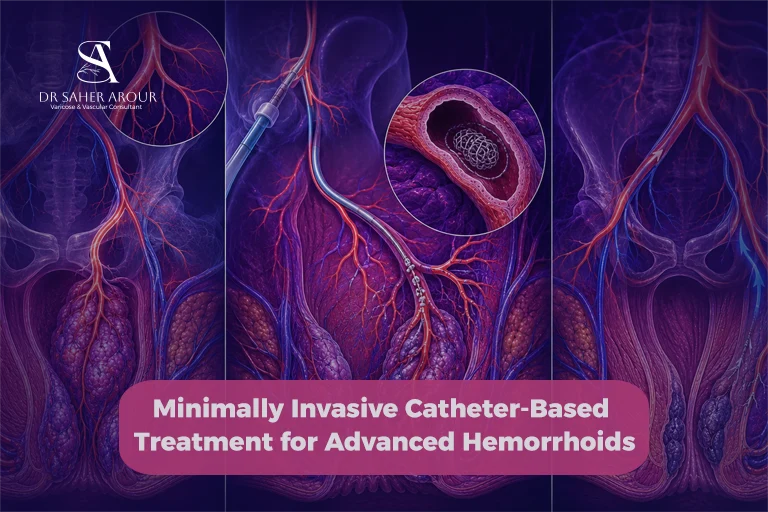
Dietary adjustments are a powerful first step, but they have clinical limits. If you have reached an advanced stage, better meals will manage your daily comfort, but they will not reverse severe tissue damage. It is vital to understand the broader progression of hemorrhoids. If your pain or bleeding persists despite good habits, you need a professional evaluation. When conservative methods are exhausted, we turn to modern, highly precise interventions. Advanced techniques like Catheter-Based Hemorrhoid Treatment allow us to safely reduce the excessive blood supply directly at the source, without the need for traditional open surgery.
Frequently Asked Questions
How quickly does a high-fibre diet help hemorrhoids?
Fibre supplementation reduces symptoms and bleeding within a few weeks. Clinical studies commonly report clear improvements at around 6 weeks, with beneficial effects sustained for up to 3 months. Staying consistent with your daily fiber intake is essential, as it gives the irritated tissues the undisturbed time they need to heal properly.
Does coffee make hemorrhoids worse?
There is no strong medical evidence showing that coffee directly worsens hemorrhoids. However, it can irritate the bowel or trigger rapid contractions depending on your personal tolerance. If your morning coffee causes digestive upset or loose stools, it can aggravate sensitive tissues, making it wise to monitor your daily intake.
Is psyllium husk better than regular dietary fibre for hemorrhoids?
Psyllium is one of the most studied fibre supplements and has solid evidence for improving stool consistency and reducing symptoms. However, overall fibre intake is much more important than the specific type. Clinical trials show equivalence rather than superiority, so focusing on hitting your daily total is what truly makes the difference.
Can diet alone cure hemorrhoids?
Dietary changes are considered the first-line treatment and can significantly reduce your daily symptoms, but they do not always cure the underlying issue. In more advanced cases, where severe structural tissue changes or persistent prolapse exist, these healthy dietary shifts must be paired with specialized medical interventions to fully resolve the problem.
References
[1] Meta-analysis of trials of fiber for the treatment of hemorrhoids
[2] Laxatives for the treatment of hemorrhoids
[3] Laxatives for the treatment of hemorrhoids (Summary)
[4] Effect of fiber supplementation on the treatment of hemorrhoids: a randomized, descriptive trial